
Castalia
Looking deeply at a Brahms Ballade

Dear Friends,
Brahms’ Ballade in G minor, Op. 118 #3, is not all in G minor; in the middle, we find ourselves in B major! That Brahms returns to G minor, returns to the original idea, does not on its own give the work unity; why this middle section? why this key in the middle?
I am so happy to be discussing the piece with you again; here it is, in my performance:
Ballade in G minor, Op. 118 #3
by Johannes Brahms (1833 — 1897)
performed by Ishmael Wallace, pianist
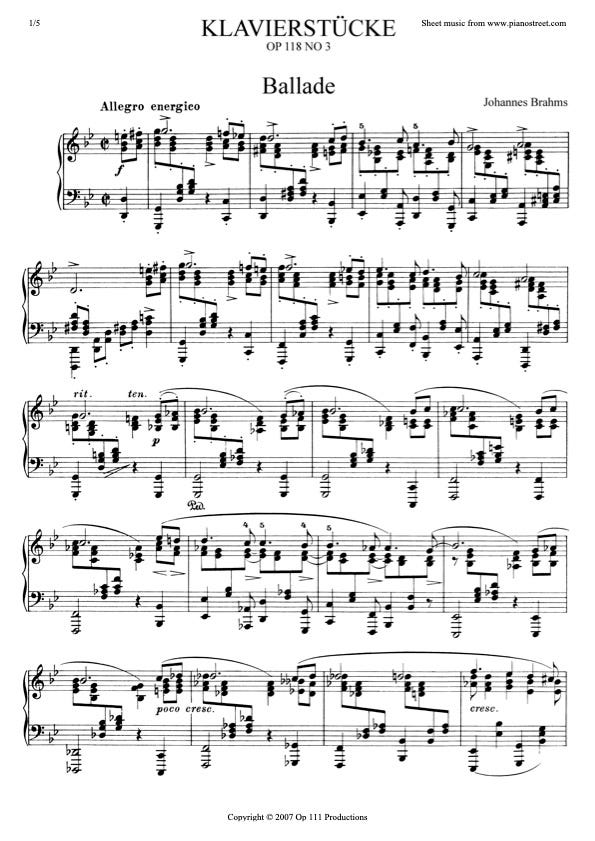
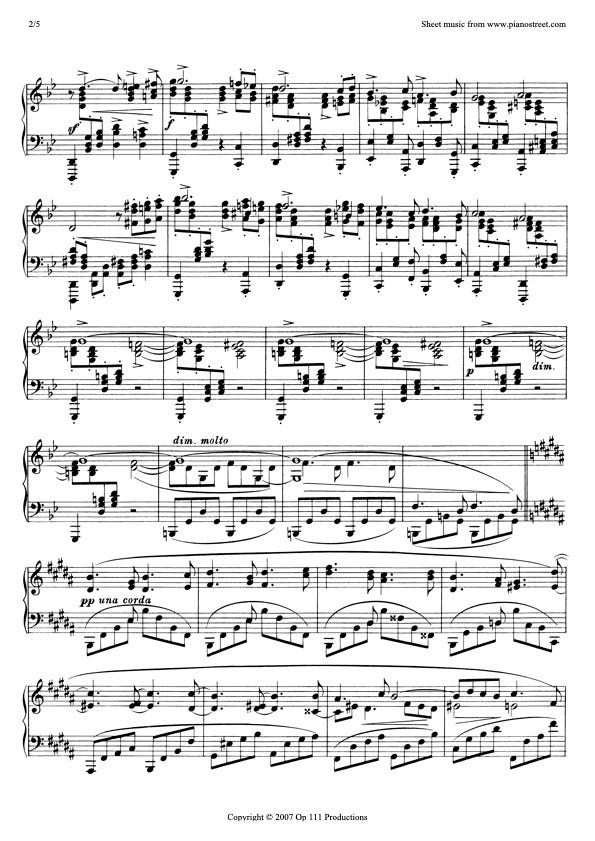
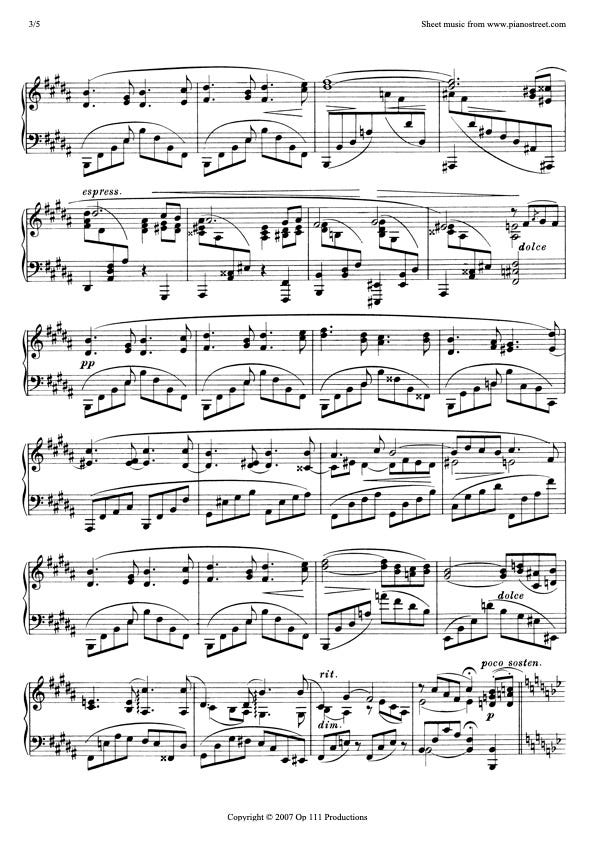
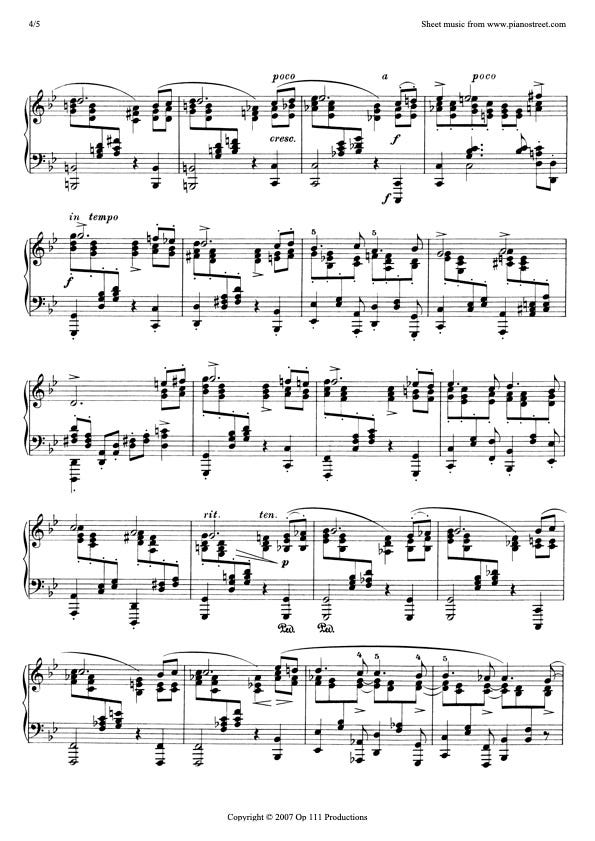
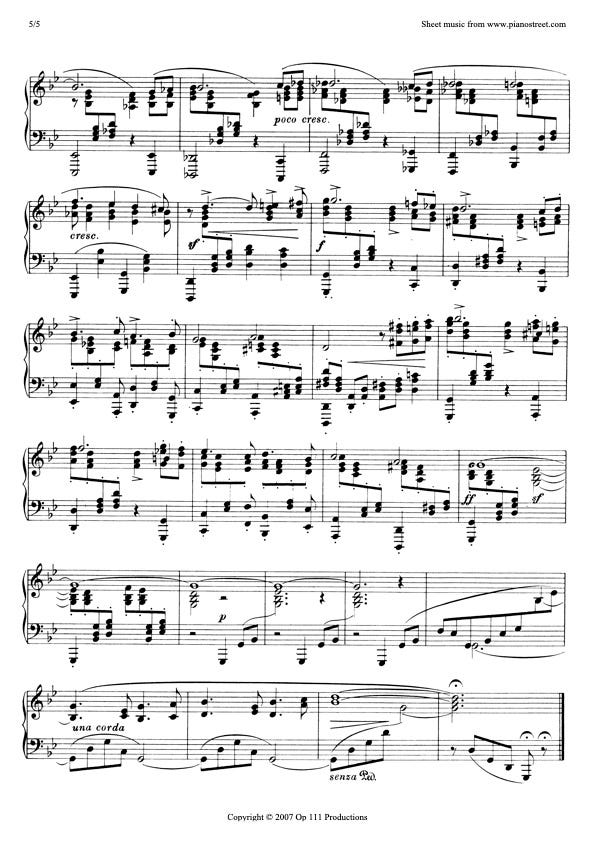
As we trace the way it happens, we gain some clarity; the B belongs to a bass arpeggiation, the bass moving through a G major chord. Before becoming a tonic, B has been a tone in the bass; after its time as a tonic, it moves on through a passing C to D, and back to G.

This is beautiful, but the Why remains; why, in a G minor work, should the bass move through a G major chord?
Music as a Path:
I coach musicians online, guiding composers and performers alike to deeper connection with the Muse. For details, please see my website: